 Tide
Coleslaw For Seafood: What Not to Do
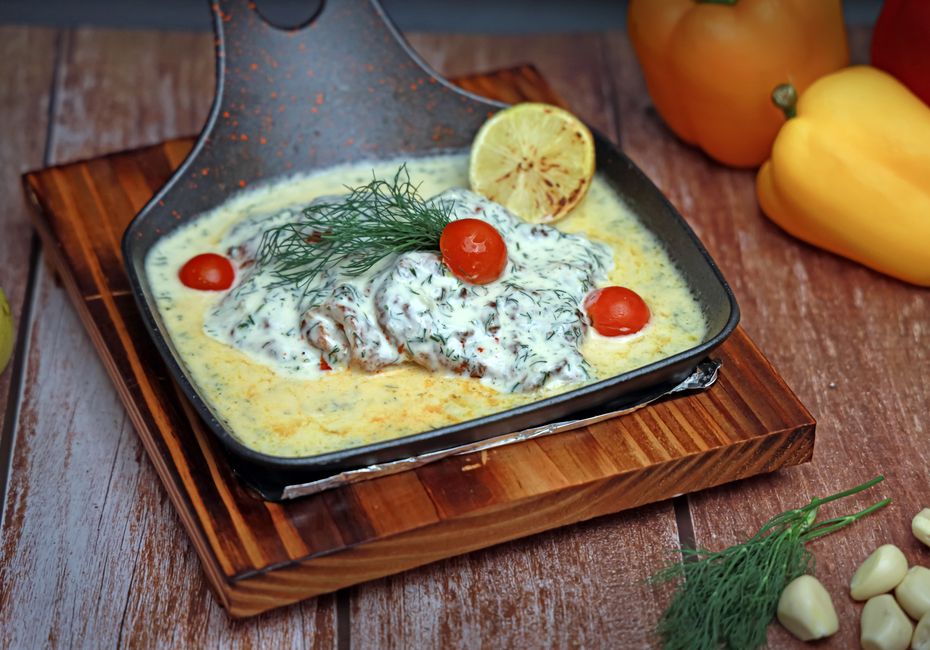
Coleslaw for seafood is one of the fastest dinners there is once the prep is sorted. Seafood cooks quickly, so a little preparation goes a long way. Below, we walk through coleslaw for seafood step by step.
Why it is fast
More often than not, the base is finely shredded cabbage, often a mix of green and red for color. Shredded carrots add sweetness, and thinly sliced green onions or red onion contribute a mild bite. Cutting the cabbage thinly with a sharp knife or a mandoline gives a more delicate texture than coarse store-bought mixes.
Prep that saves time
Creamy coleslaw uses a dressing of mayonnaise, a splash of vinegar, a little sugar, salt, and pepper. Celery seed is a classic addition that gives the slaw its familiar flavor. Some cooks add a spoonful of mustard or a squeeze of lemon. The dressing should be tangy rather than sweet, so it complements seafood without competing.
None of this needs to be exact; thickness and stove heat vary, so trust the visual cues.
The quick method
It helps to remember that vinegar-based slaw is lighter and sharper. Whisk together cider vinegar, oil, a pinch of sugar, salt, and pepper, then toss with the vegetables. This style pairs especially well with fried seafood and fish tacos, as its acidity cuts through the oil and keeps the plate feeling fresh.
None of this needs to be exact; thickness and stove heat vary, so trust the visual cues.
Simple sides
More often than not, salting the cabbage before dressing can prevent watery slaw. Toss shredded cabbage with salt and let it sit in a colander for about an hour, then rinse and dry it well. This draws out excess moisture, so the dressing stays creamy and the slaw stays crunchy.
None of this needs to be exact; thickness and stove heat vary, so trust the visual cues.
Cleaning up
Timing affects texture. Creamy slaw upsides from an hour of chilling, while vinegar slaw can rest longer and still stay crisp. Fresh herbs such as dill or cilantro, thin apple slices, or a little jalapeño can be added for variety, depending on the seafood being served.
Fresh, well-stored seafood does most of the work for you.
Planning ahead
Coleslaw is a traditional companion for fried fish, fish sandwiches, crab cakes, and shrimp baskets. Its cool crunch and tang balance the richness of seafood, and it can be made creamy or vinegar-based depending on the meal and personal taste.
Practical tips
Some practical points to keep in mind:
- Let the pan get properly hot before adding the fish.
- Pat fish dry before it goes in the pan.
- Keep seafood in the coldest part of the fridge, ideally on ice.
- Cook seafood within a day or two of buying it.
The bottom line
Keep it simple, watch the cues, and do not rush the prep. The best seafood dish is the one you feel confident making again. Start simple and build from there.
Frequently asked questions
How long does fresh fish keep?
Plan to cook it within a day or two of buying, stored in the coldest part of the fridge.
What if I can't find the exact fish?
Swap in something with a similar texture: firm white fish for firm white fish, oily for oily.
What should I serve with it?
Simple sides work best: a bright salad, roasted potatoes, rice or crusty bread, plus a squeeze of lemon.
How do I know it is done?
Look for flesh that has just turned opaque and flakes with gentle pressure. With coleslaw for seafood, a moment early beats a moment late.