 Tide
Frozen Fish: Step by Step
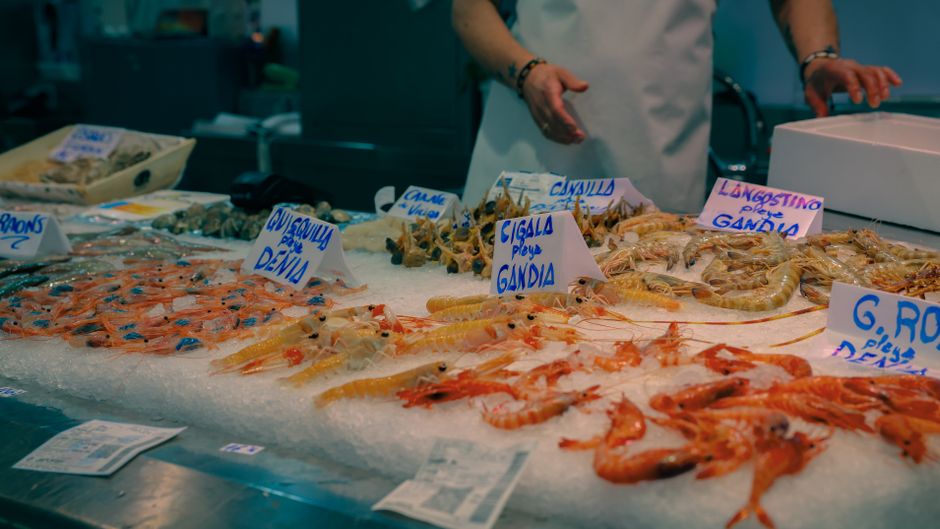
Here is frozen fish, broken into clear, simple steps. Most of the work happens before the pan gets hot. Below, we walk through frozen fish step by step.
Before you start
In practice, the labels worth looking for are vacuum-sealed packaging and terms such as frozen at sea or individually quick frozen. Vacuum sealing protects the flesh from air, which is the main cause of freezer burn. Individually frozen fillets are convenient because you can take out exactly as many as you need.
Step by step
In practice, inspect frozen packages before buying. The fish should be solidly frozen, with no soft spots. Avoid packages with large ice crystals, frost inside the wrapping, or white, dry-looking patches on the flesh, which indicate freezer burn or thawing and refreezing along the way.
What to check
More often than not, at home, keep frozen fish at 0°F or below and use it within a few months for the best texture and flavor. Lean white fish generally holds its quality longer in the freezer than oily fish such as salmon or mackerel, whose fat can develop stale flavors over time.
Small details like salting a few minutes ahead make a visible difference.
Cooking it
Worth keeping in mind: freezing fresh fish at home is possible, but home freezers work more slowly than commercial ones, so the texture may soften slightly. Wrap fillets tightly in plastic and then in foil or a freezer bag, pressing out as much air as possible, and label each package with its contents.
Serving
Worth keeping in mind: some recipes are especially well suited to frozen fish. Fish tacos, chowders, curries, baked dishes with sauces, and fish cakes all hide any slight change in texture. Thin fillets can even be cooked straight from frozen by adding a few extra minutes, which is useful on busy evenings.
Leftovers
Put simply, frozen fish is often dismissed as second best, yet much of it is frozen within hours of being caught, sometimes right on the boat. Handled well, it can match or even surpass fresh fish that has spent days in transit, and it gives home cooks the freedom to plan meals without a trip to the fish counter.
The goal is a method you can repeat with confidence, not a perfect one-off.
Practical tips
Here are a few easy places to start:
- Keep seafood in the coldest part of the fridge, ideally on ice.
- Pull fish off the heat just as it turns opaque.
- Thaw frozen seafood slowly in the fridge overnight.
- Swap fish of similar texture when your first choice is not available.
The bottom line
Keep it simple, watch the cues, and do not rush the prep. None of this needs to be perfect. Good fish, a hot pan and a little attention go a long way.
Frequently asked questions
How long does fresh fish keep?
Plan to cook it within a day or two of buying, stored in the coldest part of the fridge.
How do I know it is done?
Look for flesh that has just turned opaque and flakes with gentle pressure. With frozen fish, a moment early beats a moment late.
Can I use frozen seafood?
Yes. Thaw it slowly in the fridge overnight, pat it dry, and it will cook almost exactly like fresh.
What if I can't find the exact fish?
Swap in something with a similar texture: firm white fish for firm white fish, oily for oily.