 Tide
Lemon Butter Sauce: Step by Step
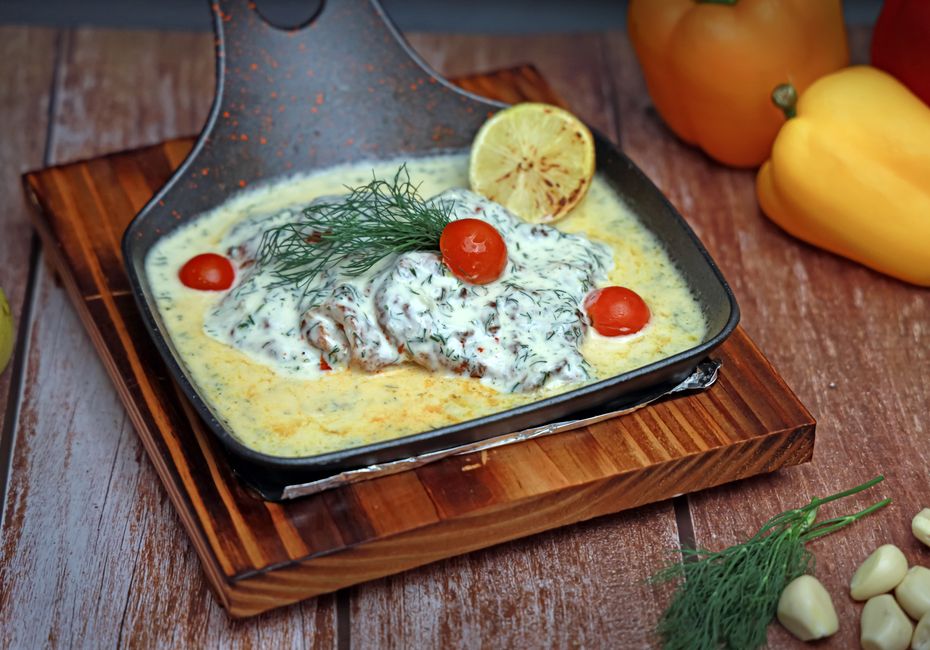
Lemon butter sauce is easiest when you follow a clear order of steps. The aim is to keep things simple and reliable. Below, we walk through lemon butter sauce step by step.
Before you start
Put simply, a simple lemon butter sauce suits nearly every kind of fish and shellfish, from flaky white fillets to seared scallops and grilled shrimp. It takes only a few minutes and uses ingredients most kitchens already have, which makes it one of the most useful sauces to know.
The practical takeaway is to pull seafood from the heat a moment early, since it keeps cooking on the plate.
Step by step
In practice, the quickest version starts in the pan used to cook the fish. After removing the fillets, lower the heat, add a little butter, and let it melt into the browned bits left behind. Squeeze in fresh lemon juice, swirl the pan, season with salt, and spoon the sauce over the fish right away.
None of this needs to be exact; thickness and stove heat vary, so trust the visual cues.
What to check
Put simply, a more refined approach is the classic beurre blanc. Simmer finely chopped shallot with white wine and a splash of lemon juice or white wine vinegar until only a couple of tablespoons of liquid remain. Then, over very low heat, whisk in cold butter a piece at a time until the sauce turns thick, pale, and creamy.
Keeping seafood cold right up to cooking time protects both flavor and safety.
Cooking it
On a day-to-day level, heat control is what keeps the sauce stable. If it gets too hot, the butter separates and turns oily, and if it gets too cool, it can firm up. Keeping the pan warm but never bubbling, and adding the butter gradually, produces a smooth emulsion. A spoonful of cream added to the reduction gives extra insurance.
None of this needs to be exact; thickness and stove heat vary, so trust the visual cues.
Serving
More often than not, brown butter offers another direction. Cooking butter until the milk solids turn golden and smell nutty, then adding lemon juice and capers, creates the sauce associated with sole meunière. The nutty depth stands up well to richer fish and to pan-fried preparations.
Keeping seafood cold right up to cooking time protects both flavor and safety.
Leftovers
On a day-to-day level, fresh herbs finish any of these variations. Parsley, chives, dill, and tarragon all pair naturally with lemon and butter. Lemon zest adds aroma without additional sourness. Serve the sauce warm and in modest amounts, so it highlights the seafood rather than covering it.
Practical tips
Here are a few easy places to start:
- Swap fish of similar texture when your first choice is not available.
- Let the pan get properly hot before adding the fish.
- Keep a lemon and fresh herbs on hand to finish dishes.
- Cook seafood within a day or two of buying it.
The bottom line
Keep it simple, watch the cues, and do not rush the prep. Take it one dish at a time. Each one teaches you how your own stove and pan behave.
Frequently asked questions
What if I can't find the exact fish?
Swap in something with a similar texture: firm white fish for firm white fish, oily for oily.
Can I use frozen seafood?
Yes. Thaw it slowly in the fridge overnight, pat it dry, and it will cook almost exactly like fresh.
How long does fresh fish keep?
Plan to cook it within a day or two of buying, stored in the coldest part of the fridge.
What should I serve with it?
Simple sides work best: a bright salad, roasted potatoes, rice or crusty bread, plus a squeeze of lemon.