 Tide
Ordering At A Raw Bar: Myths and Facts
On a busy evening, ordering at a raw bar can be on the table in well under half an hour. Seafood cooks quickly, so a little preparation goes a long way. The rest of this article covers ordering at a raw bar in plain, practical terms.
Why it is fast
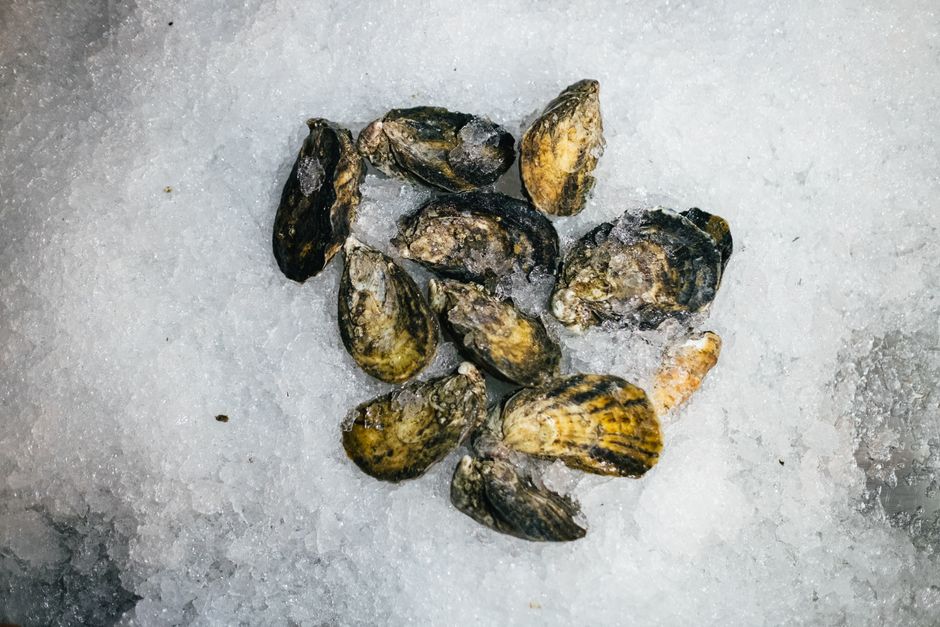
On a day-to-day level, a raw bar presents seafood at its simplest: chilled oysters, clams, shrimp, and sometimes crab or lobster, served on crushed ice with a few classic sauces. For first-time visitors, the menu can look unfamiliar, but the format is easy to navigate.
Prep that saves time
Oysters are typically listed by name and origin, since flavor depends heavily on the waters where they grew. East Coast oysters tend to be briny and crisp, while many West Coast varieties are smaller, creamier, and sweeter, with notes some describe as melon or cucumber. Ordering a few from different regions is a good way to discover a preference.
The goal is a method you can repeat with confidence, not a perfect one-off.
The quick method
Servers and shuckers are generally glad to guide guests. Asking which oysters are the most mild, the most briny, or the freshest arrivals of the day is a normal request. Many raw bars sell oysters by the piece or by the half dozen, which makes it easy to taste widely without committing to a single kind.
Fresh, well-stored seafood does most of the work for you.
Simple sides
Beyond oysters, chilled shrimp cocktail is the most familiar choice and a comfortable start for anyone wary of raw shellfish, since the shrimp are cooked. Littleneck or cherrystone clams on the half shell are firmer and more savory than oysters. Large seafood towers combine several items and are meant for sharing.
The practical takeaway is to pull seafood from the heat a moment early, since it keeps cooking on the plate.
Cleaning up
In practice, the usual accompaniments are lemon wedges, cocktail sauce, horseradish, hot sauce, and mignonette, a sharp shallot and vinegar sauce. A light touch is best, since the aim is to taste the shellfish. Crackers are usually served alongside.
If you remember one thing, let it be that dry fish sears and wet fish steams.
Planning ahead
Raw shellfish carries some food-safety risk, and many menus include a printed advisory about consuming raw or undercooked seafood. Guests who prefer to avoid raw items can generally find cooked options such as steamed shellfish or grilled oysters. Crisp white wine, sparkling wine, or a light beer are traditional pairings.
Small details like salting a few minutes ahead make a visible difference.
Practical tips
A few simple things tend to help:
- Let the pan get properly hot before adding the fish.
- Cook seafood within a day or two of buying it.
- Keep a lemon and fresh herbs on hand to finish dishes.
- Pat fish dry before it goes in the pan.
The bottom line
Take it one dish at a time. None of this needs to be perfect. Good fish, a hot pan and a little attention go a long way.
Frequently asked questions
What if I can't find the exact fish?
Swap in something with a similar texture: firm white fish for firm white fish, oily for oily.
What should I serve with it?
Simple sides work best: a bright salad, roasted potatoes, rice or crusty bread, plus a squeeze of lemon.
Can I use frozen seafood?
Yes. Thaw it slowly in the fridge overnight, pat it dry, and it will cook almost exactly like fresh.
How do I know it is done?
Look for flesh that has just turned opaque and flakes with gentle pressure. With ordering at a raw bar, a moment early beats a moment late.