 Tide
Rainbow Trout: A Simple Guide
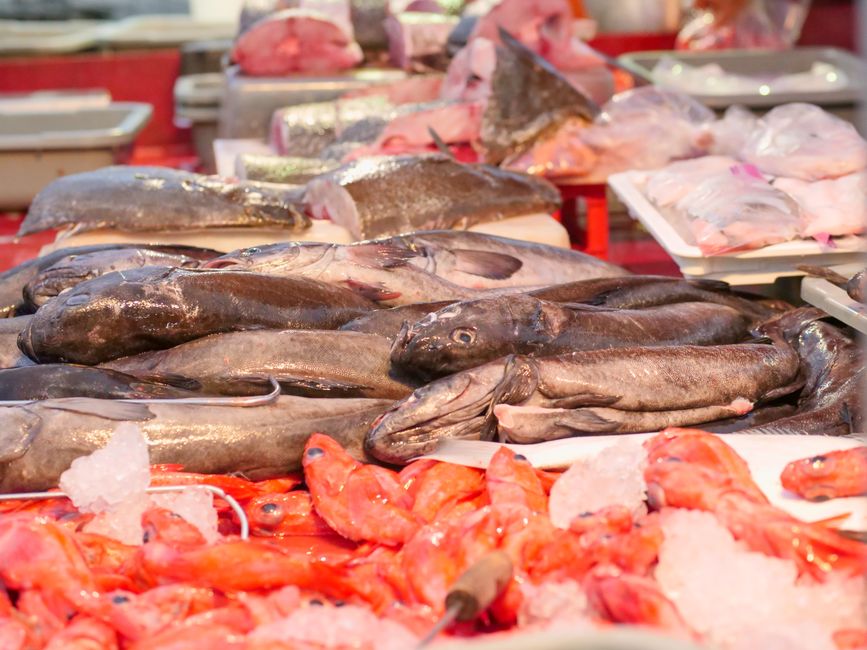
There is a lot of fuss around rainbow trout; this guide keeps it simple. Most of the work happens before the pan gets hot. Below, we walk through rainbow trout step by step.
Why it matters
Put simply, whole trout are well suited to roasting and grilling. Stuff the cavity with lemon slices, herbs, and a little butter, then roast in a hot oven or grill over medium heat. The small size means the fish cooks through quickly, often in about fifteen minutes or less.
The practical takeaway is to pull seafood from the heat a moment early, since it keeps cooking on the plate.
The basics
Put simply, because trout is thin and delicate, it overcooks easily. The flesh is ready when it turns opaque and flakes with a fork. Smoked trout is another common form, sold ready to eat and useful in dips, salads, and spreads, where its gentle smokiness pairs well with lemon, dill, and cream cheese.
The goal is a method you can repeat with confidence, not a perfect one-off.
Choosing well
Rainbow trout is a freshwater fish with delicate, mild flesh and a subtle, slightly nutty flavor. Most trout sold in American markets is farm-raised, which keeps it widely available, consistent in size, and easy to cook. It is a welcoming fish for those who are still getting comfortable with seafood.
Fresh, well-stored seafood does most of the work for you.
Step by step
Trout is typically sold whole or as butterflied fillets. Whole trout often weigh well under a pound, making them a convenient single serving. Butterflied trout has been opened flat with most bones removed, and it cooks in just a few minutes. The flesh ranges from white to pale pink, while steelhead, a larger relative, has deeper orange-red flesh similar to salmon.
Cues to watch for
On a day-to-day level, fresh trout should smell clean and look moist and glossy, with bright, clear eyes if whole. The skin should be slippery and colorful, with the iridescent band that gives the fish its name. Trout skin is thin and crisps nicely, so it is typically left on.
Where it can go wrong
Pan-frying is a classic method. Dredge the trout lightly in flour, then cook it skin side down in butter or oil over medium-high heat until the skin is crisp, flipping briefly to finish. A simple sauce of brown butter with toasted almonds, lemon, or capers completes the dish.
The goal is a method you can repeat with confidence, not a perfect one-off.
Practical tips
A few simple things tend to help:
- Swap fish of similar texture when your first choice is not available.
- Keep seafood in the coldest part of the fridge, ideally on ice.
- Let the pan get properly hot before adding the fish.
- Thaw frozen seafood slowly in the fridge overnight.
The bottom line
Take it one dish at a time. The best seafood dish is the one you feel confident making again. Start simple and build from there.
Frequently asked questions
What if I can't find the exact fish?
Swap in something with a similar texture: firm white fish for firm white fish, oily for oily.
How do I know it is done?
Look for flesh that has just turned opaque and flakes with gentle pressure. With rainbow trout, a moment early beats a moment late.
How long does fresh fish keep?
Plan to cook it within a day or two of buying, stored in the coldest part of the fridge.
What should I serve with it?
Simple sides work best: a bright salad, roasted potatoes, rice or crusty bread, plus a squeeze of lemon.