 Tide
Salsa Verde For Fish
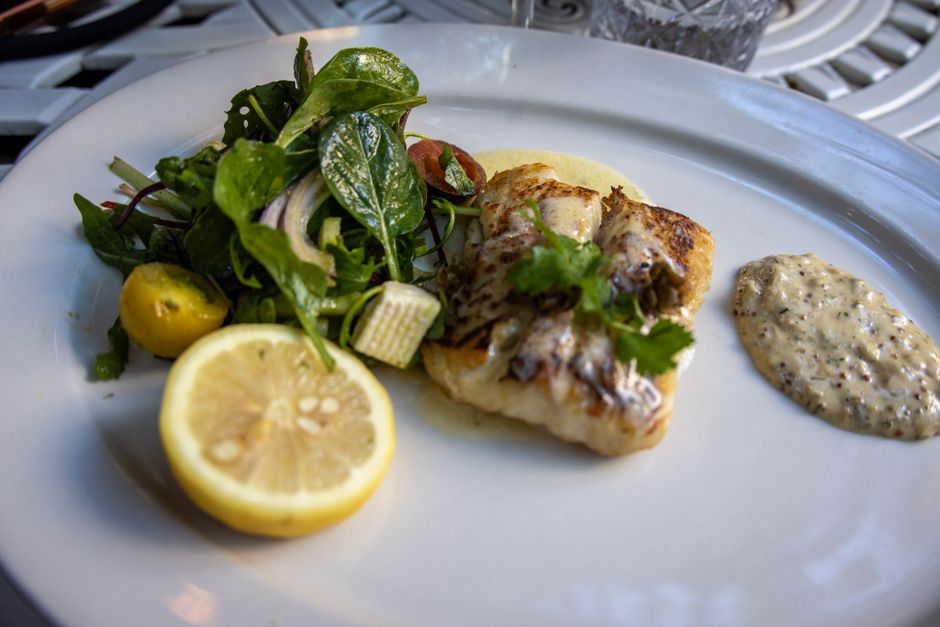
Salsa verde for fish is easiest when you follow a clear order of steps. None of it needs special equipment. Here is a practical look at salsa verde for fish for home cooks.
Before you start
Worth keeping in mind: variations are easy to create. A spoonful of Dijon mustard adds richness, while chopped pickled peppers or green olives provide extra tang. Some versions include breadcrumbs soaked in vinegar for body. Spoon the sauce generously over grilled fish, serve it alongside roasted shellfish, or use it to dress warm potatoes.
None of this needs to be exact; thickness and stove heat vary, so trust the visual cues.
Step by step
Worth keeping in mind: salsa verde, in its Italian form, is a bright green sauce made with fresh herbs, olive oil, capers, and acid. Its vivid, tangy flavor pairs especially well with grilled, roasted, and poached fish, adding freshness and color to the plate.
What to check
Flat-leaf parsley forms the base, often combined with other soft herbs such as basil, mint, chives, or tarragon. The herbs should be finely chopped by hand for a rustic texture, or pulsed briefly in a food processor for a smoother sauce. Avoid overprocessing, which can make the herbs bitter and dark.
The practical takeaway is to pull seafood from the heat a moment early, since it keeps cooking on the plate.
Cooking it
Capers provide saltiness and tang, and a few anchovy fillets add savory depth without a fishy taste. Garlic contributes sharpness, and a little lemon zest brings aroma. These ingredients are chopped and mixed with the herbs before the oil and acid are added.
Serving
Good extra virgin olive oil binds the sauce, while lemon juice or red wine vinegar adds brightness. The balance should be lively and slightly sharp, so the sauce cuts through the richness of fish such as salmon, swordfish, or mackerel.
None of this needs to be exact; thickness and stove heat vary, so trust the visual cues.
Leftovers
Salsa verde is best made shortly before serving, since the herbs lose their vivid color over time. It can be prepared a few hours ahead and kept covered, but the acid gradually dulls the green. Adding the lemon juice or vinegar just before serving helps preserve the color.
Practical tips
Some practical points to keep in mind:
- Let the pan get properly hot before adding the fish.
- Thaw frozen seafood slowly in the fridge overnight.
- Keep a lemon and fresh herbs on hand to finish dishes.
- Keep seafood in the coldest part of the fridge, ideally on ice.
The bottom line
Take it one dish at a time. None of this needs to be perfect. Good fish, a hot pan and a little attention go a long way.
Frequently asked questions
What should I serve with it?
Simple sides work best: a bright salad, roasted potatoes, rice or crusty bread, plus a squeeze of lemon.
What if I can't find the exact fish?
Swap in something with a similar texture: firm white fish for firm white fish, oily for oily.
How do I know it is done?
Look for flesh that has just turned opaque and flakes with gentle pressure. With salsa verde for fish, a moment early beats a moment late.
How long does fresh fish keep?
Plan to cook it within a day or two of buying, stored in the coldest part of the fridge.