 Tide
Searing Sea Scallops: A Simple Guide
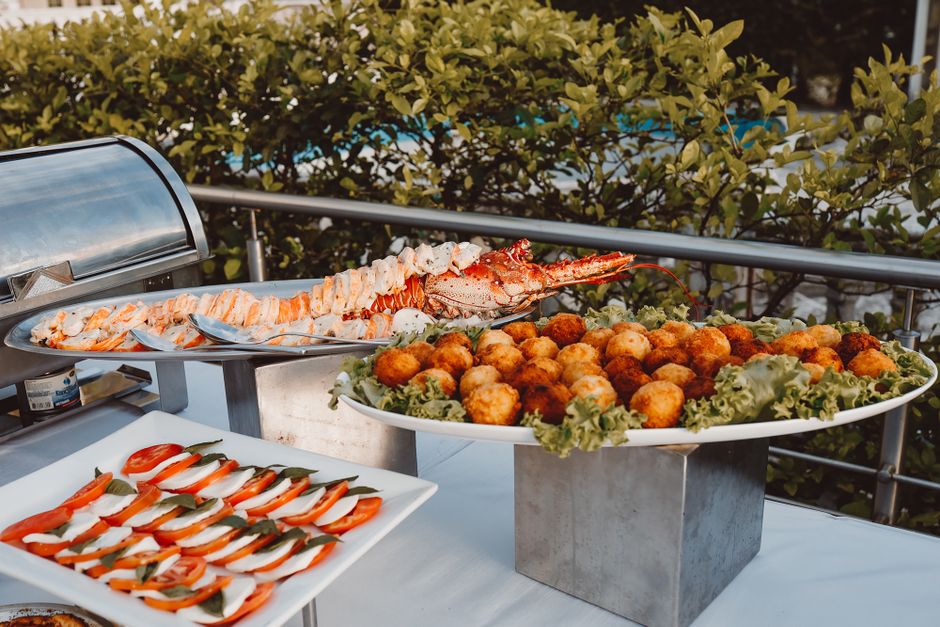
There is a lot of fuss around searing sea scallops; this guide keeps it simple. Seafood cooks quickly, so a little preparation goes a long way. The rest of this article covers searing sea scallops in plain, practical terms.
Why it matters
In practice, look for scallops labeled dry, sometimes called dry-packed. These have not been treated with a phosphate solution, which causes scallops to absorb water. Treated scallops, often labeled wet, release liquid in the pan and steam instead of browning. Dry scallops are slightly off-white or pinkish and look natural rather than bright white and glossy.
The goal is a method you can repeat with confidence, not a perfect one-off.
The basics
In practice, preparation is easy. Remove the small side muscle, a tough rectangular tab on the edge of each scallop, by pulling it away with your fingers. Then pat the scallops very dry with paper towels. Letting them rest uncovered in the refrigerator on a paper towel for a little while aids dry the surface further.
If you remember one thing, let it be that dry fish sears and wet fish steams.
Choosing well
In practice, use a heavy skillet heated until very hot, with a thin layer of neutral oil. Season the scallops with salt just before cooking and place them in the pan one by one, leaving space between them. Crowding lowers the pan temperature and prevents browning.
Small details like salting a few minutes ahead make a visible difference.
Step by step
The key point is that leave the scallops undisturbed for about two minutes, until a golden crust forms and they release easily from the pan. Flip and cook briefly on the second side, often less than a minute. Adding a pat of butter at the end and basting adds richness. The centers should remain slightly translucent.
If you remember one thing, let it be that dry fish sears and wet fish steams.
Cues to watch for
Put simply, overcooked scallops turn rubbery, so it is better to pull them a little early. Serve immediately, as they lose their crust quickly. Seared scallops pair nicely with brown butter and lemon, pureed vegetables, risotto, or a simple green salad. Bay scallops, which are much smaller, cook even faster and are better suited to sautés and pasta.
Where it can go wrong
The key point is that perfectly seared sea scallops have a deep golden crust and a tender, sweet interior. They cook in only a few minutes, but the result depends on choosing the right scallops and handling them properly before they ever reach the pan.
Practical tips
A few simple things tend to help:
- Thaw frozen seafood slowly in the fridge overnight.
- Swap fish of similar texture when your first choice is not available.
- Pat fish dry before it goes in the pan.
- Cook seafood within a day or two of buying it.
The bottom line
Take it one dish at a time. None of this needs to be perfect. Good fish, a hot pan and a little attention go a long way.
Frequently asked questions
How long does fresh fish keep?
Plan to cook it within a day or two of buying, stored in the coldest part of the fridge.
What should I serve with it?
Simple sides work best: a bright salad, roasted potatoes, rice or crusty bread, plus a squeeze of lemon.
What if I can't find the exact fish?
Swap in something with a similar texture: firm white fish for firm white fish, oily for oily.
Can I use frozen seafood?
Yes. Thaw it slowly in the fridge overnight, pat it dry, and it will cook almost exactly like fresh.