 Tide
Steamed Clams: A Beginner's Guide
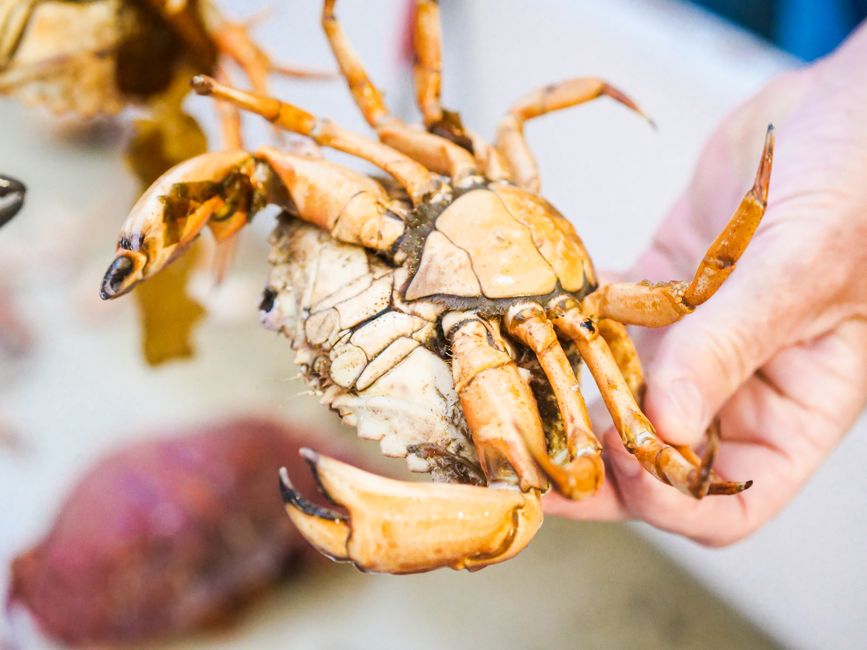
If steamed clams is new territory, start with the simplest method. The aim is to keep things simple and reliable. Below, we walk through steamed clams step by step.
Start here
Put simply, remove clams as they open to prevent them from becoming tough. Any that remain closed after the others have opened are generally discarded. The cooking liquid, strained through a fine sieve or cheesecloth, becomes a flavorful broth for dipping or sipping.
What you need
Steamers are traditionally eaten by pulling the clam from its shell by the neck, peeling off the thin skin covering the neck, swishing it in broth to rinse away any sand, and dipping it in melted butter. Hard-shell clams can be eaten straight from the shell or tossed with pasta and their broth.
Your first attempt
The key point is that steamed clams are a coastal tradition and one of the simplest shellfish dishes to cook at home. Hard-shell clams such as littlenecks and cherrystones, along with soft-shell steamers, open in a covered pot within minutes, releasing a flavorful broth.
The practical takeaway is to pull seafood from the heat a moment early, since it keeps cooking on the plate.
What to expect
The first step is cleaning. Hard-shell clams should be scrubbed under cold running water to remove sand and grit from the shells. Discard any with broken shells or those that stay open after a firm tap. Soft-shell steamers, which have thin, brittle shells and a protruding neck, naturally gape slightly, but the neck should retract when touched.
Easy upgrades
Purging supports remove sand from inside the clams. Soak them in a bowl of cold, salted water for twenty minutes to an hour, which encourages them to expel grit. Lift the clams out of the water rather than pouring them through a strainer, so the sand stays at the bottom of the bowl. This step matters most for steamers.
Small details like salting a few minutes ahead make a visible difference.
Next steps
To cook, add a modest amount of liquid to a large pot. Water works, but white wine, beer, or broth with garlic, shallots, and herbs adds more flavor. Bring the liquid to a boil, add the clams, and cover tightly. Hard-shell clams generally open within five to ten minutes, and steamers commonly cook a little faster.
It helps to have everything ready before you start, because seafood cooks fast.
Practical tips
Some practical points to keep in mind:
- Let the pan get properly hot before adding the fish.
- Pat fish dry before it goes in the pan.
- Cook seafood within a day or two of buying it.
- Keep seafood in the coldest part of the fridge, ideally on ice.
The bottom line
None of this needs to be perfect. The best seafood dish is the one you feel confident making again. Start simple and build from there.
Frequently asked questions
Can I use frozen seafood?
Yes. Thaw it slowly in the fridge overnight, pat it dry, and it will cook almost exactly like fresh.
What if I can't find the exact fish?
Swap in something with a similar texture: firm white fish for firm white fish, oily for oily.
What should I serve with it?
Simple sides work best: a bright salad, roasted potatoes, rice or crusty bread, plus a squeeze of lemon.
How do I know it is done?
Look for flesh that has just turned opaque and flakes with gentle pressure. With steamed clams, a moment early beats a moment late.