 Tide
Buying Fresh Fish: Shopping and Prep Tips
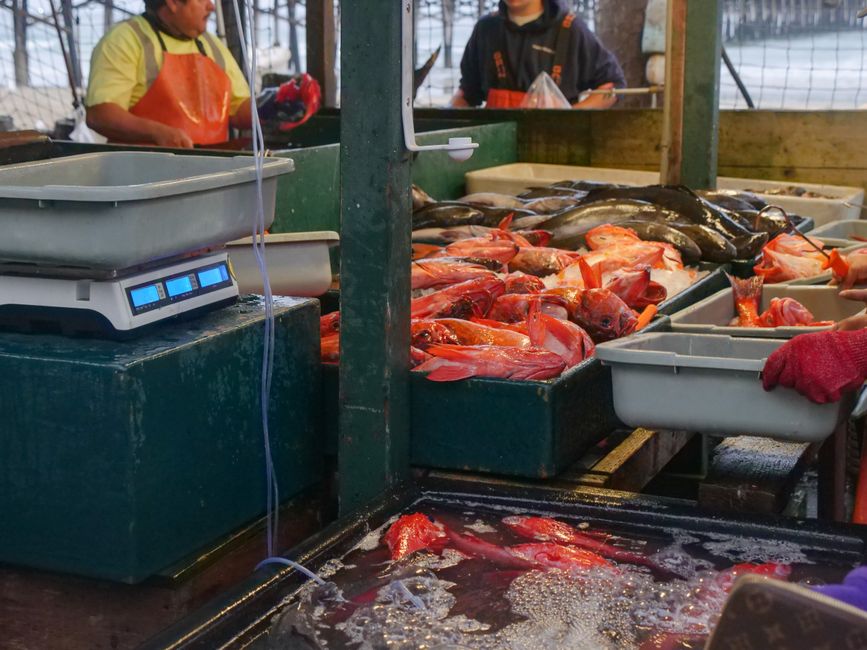
What you buy matters more than any technique when it comes to buying fresh fish. None of it needs special equipment. The rest of this article covers buying fresh fish in plain, practical terms.
What to look for
More often than not, good fish cooking begins at the counter. Learning a few easy freshness checks makes it much easier to choose well, whether the fish is sold whole or already cut into fillets and steaks.
The goal is a method you can repeat with confidence, not a perfect one-off.
Questions to ask
It helps to remember that smell is the most reliable first test. Fresh fish smells clean and mild, sometimes faintly of the sea or cucumber. A strong, sour, or ammonia-like odor means the fish is past its best. A good seafood counter itself should smell clean, with fish displayed on plenty of fresh ice.
None of this needs to be exact; thickness and stove heat vary, so trust the visual cues.
Getting it home cold
On a day-to-day level, whole fish offer the most clues. Look for clear, bright, slightly bulging eyes rather than cloudy or sunken ones. The gills should be red or pink and moist, not brown or slimy. The skin should be shiny, with scales that cling tightly, and the body should feel firm and spring back when pressed.
Storing it
More often than not, fillets and steaks require a closer look at the flesh. It should appear moist and translucent, with no browning or drying along the edges and no gaps between the muscle layers. Liquid pooling in the tray, a dull surface, or a mushy texture are signs to pass on that piece.
Prepping it
Asking questions is part of buying fish well. Counter staff can generally say when a fish arrived, where it came from, and whether it was previously frozen. Many fillets labeled fresh were frozen at some point, which is not a flaw, but it does mean the fish should not be refrozen at home.
Ready to cook
Put simply, plan to make the fish market the last stop of a shopping trip. Ask for a bag of ice if the drive home is long, keep the package cold, and refrigerate it as soon as possible. Most fresh fish is best cooked the day it is bought or the day after.
Fresh, well-stored seafood does most of the work for you.
Practical tips
Some practical points to keep in mind:
- Keep a lemon and fresh herbs on hand to finish dishes.
- Thaw frozen seafood slowly in the fridge overnight.
- Let the pan get properly hot before adding the fish.
- Pull fish off the heat just as it turns opaque.
The bottom line
None of this needs to be perfect. The best seafood dish is the one you feel confident making again. Start simple and build from there.
Frequently asked questions
What should I serve with it?
Simple sides work best: a bright salad, roasted potatoes, rice or crusty bread, plus a squeeze of lemon.
What if I can't find the exact fish?
Swap in something with a similar texture: firm white fish for firm white fish, oily for oily.
How long does fresh fish keep?
Plan to cook it within a day or two of buying, stored in the coldest part of the fridge.
How do I know it is done?
Look for flesh that has just turned opaque and flakes with gentle pressure. With buying fresh fish, a moment early beats a moment late.