 Tide
Buying Shrimp
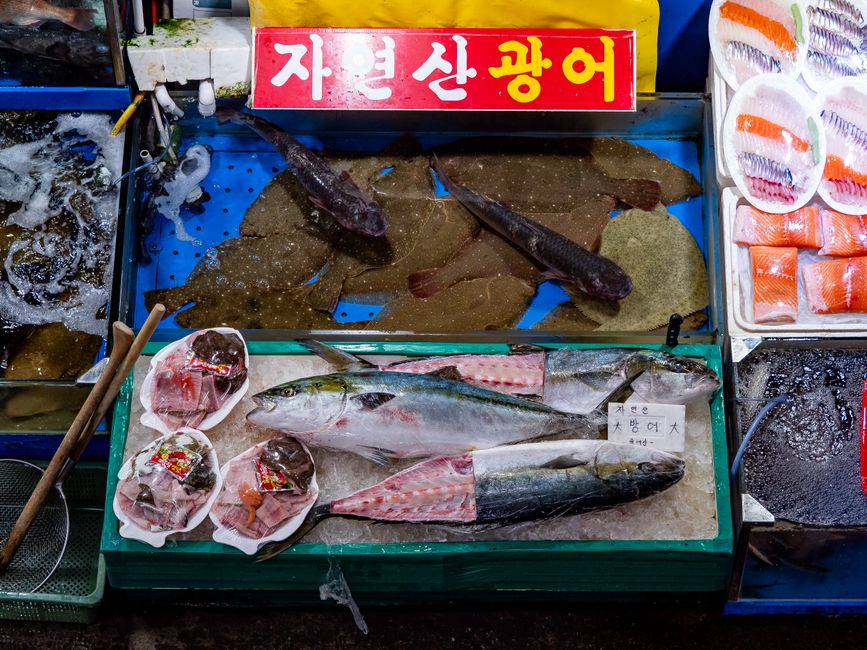
Buying shrimp is one of the fastest dinners there is once the prep is sorted. Most of the work happens before the pan gets hot. Here is a practical look at buying shrimp for home cooks.
Why it is fast
Look for shrimp that are firm, with translucent flesh and a mild, clean smell. Avoid shrimp with black spots, a strong ammonia odor, or a mushy texture. Labels commonly show the country of origin and whether the shrimp is wild or farmed, which can help guide choices based on taste and personal preferences.
Small details like salting a few minutes ahead make a visible difference.
Prep that saves time
Shrimp is the most widely eaten seafood in the United States, yet buying it can be confusing because of the many sizes, forms, and labels. Understanding the basics helps in choosing the right shrimp for each dish.
The quick method
Nearly all shrimp sold in stores has been frozen at some point, even if it is displayed thawed at the seafood counter. For this reason, many cooks prefer buying bags of frozen shrimp and thawing them at home just before cooking. This keeps the shrimp fresher than those that have been sitting thawed on ice.
If you remember one thing, let it be that dry fish sears and wet fish steams.
Simple sides
Shrimp are sized by count per pound, shown as numbers such as 16/20 or 21/25. Lower numbers mean larger shrimp. A U before a number, such as U15, means fewer than fifteen shrimp per pound. Names like jumbo and large are not standardized, so the count is the more reliable guide.
Keeping seafood cold right up to cooking time protects both flavor and safety.
Cleaning up
Shrimp come in several forms: shell-on, peeled and deveined, tail-on, and cooked. Shell-on shrimp tend to have better flavor and texture, and the shells can be saved for stock. Easy-peel shrimp have the shell split and the vein removed, offering a convenient middle ground. Precooked shrimp suit cold dishes but can turn rubbery when reheated.
If you remember one thing, let it be that dry fish sears and wet fish steams.
Planning ahead
On a day-to-day level, check the ingredient list on frozen bags. Ideally it lists only shrimp, possibly with salt. Some shrimp is treated with sodium tripolyphosphate to retain moisture, which can make the texture slightly spongy and cause excess water in the pan.
Practical tips
In everyday terms, this can look like:
- Pat fish dry before it goes in the pan.
- Keep a lemon and fresh herbs on hand to finish dishes.
- Swap fish of similar texture when your first choice is not available.
- Pull fish off the heat just as it turns opaque.
The bottom line
None of this needs to be perfect. The best seafood dish is the one you feel confident making again. Start simple and build from there.
Frequently asked questions
How long does fresh fish keep?
Plan to cook it within a day or two of buying, stored in the coldest part of the fridge.
How do I know it is done?
Look for flesh that has just turned opaque and flakes with gentle pressure. With buying shrimp, a moment early beats a moment late.
What should I serve with it?
Simple sides work best: a bright salad, roasted potatoes, rice or crusty bread, plus a squeeze of lemon.
What if I can't find the exact fish?
Swap in something with a similar texture: firm white fish for firm white fish, oily for oily.