 Tide
Cod And Haddock: A Simple Checklist
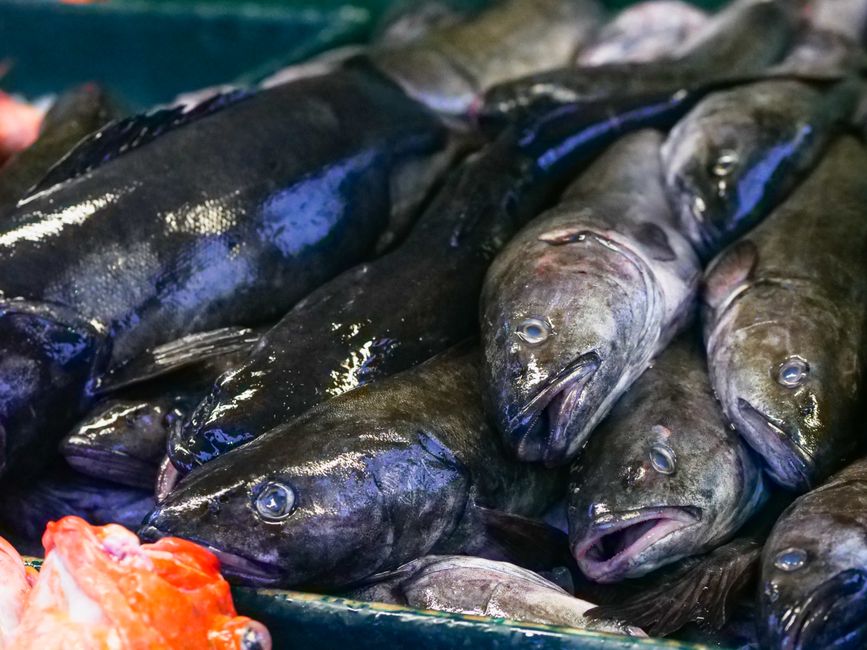
Cod and haddock makes an impressive dish for guests without much extra effort. None of it needs special equipment. Let's look at what makes cod and haddock work, and what you can skip.
Planning quantities
Because both fish are lean, they dry out quickly when overcooked. A thick fillet is ready when the flesh has just turned opaque all the way through and separates into flakes with gentle pressure from a fork. Pulling it a moment early and letting it rest briefly keeps it tender.
None of this needs to be exact; thickness and stove heat vary, so trust the visual cues.
What to prep ahead
In practice, in many recipes the two are interchangeable, along with related species such as pollock and hake. If a recipe calls for one and the market only has the other, adjust the cooking time for thickness and the dish will turn out much the same.
Small details like salting a few minutes ahead make a visible difference.
Cooking for a group
In practice, cod and haddock are close relatives from cold northern waters, and they are among the most familiar white fish in American kitchens. Both have mild flavor, lean flesh, and large tender flakes, which makes them forgiving for cooks who are new to preparing fish at home.
Presentation
On a day-to-day level, the differences are subtle but worth knowing. Cod fillets tend to be thicker and firmer, with a slightly cleaner, more neutral taste. Haddock is typically thinner, a little softer, and carries a faint sweetness that many people associate with traditional fish and chips. Haddock is often sold with the skin on, which is marked by a dark line running along its length.
Pairing ideas
Worth keeping in mind: these fish shine in preparations that respect their delicate texture. Baking with a light crumb topping, poaching in seasoned milk or broth, and frying in a crisp batter are all classic choices. Grilling directly on the grates is harder, because the flakes separate easily and can fall through, so a grill basket or a sheet of foil helps.
The goal is a method you can repeat with confidence, not a perfect one-off.
Keeping it relaxed
In practice, when shopping, look for fillets that are bright white to faintly pearly, moist without being wet, and free of any sour or strong odor. The flesh should spring back when pressed. Thick loin cuts from the upper part of the fish are the most even and cook more predictably than thin tail pieces.
It helps to have everything ready before you start, because seafood cooks fast.
Practical tips
A few simple things tend to help:
- Let the pan get properly hot before adding the fish.
- Pull fish off the heat just as it turns opaque.
- Keep seafood in the coldest part of the fridge, ideally on ice.
- Cook seafood within a day or two of buying it.
The bottom line
The best seafood dish is the one you feel confident making again. Take it one dish at a time. Each one teaches you how your own stove and pan behave.
Frequently asked questions
Can I use frozen seafood?
Yes. Thaw it slowly in the fridge overnight, pat it dry, and it will cook almost exactly like fresh.
What if I can't find the exact fish?
Swap in something with a similar texture: firm white fish for firm white fish, oily for oily.
How do I know it is done?
Look for flesh that has just turned opaque and flakes with gentle pressure. With cod and haddock, a moment early beats a moment late.
How long does fresh fish keep?
Plan to cook it within a day or two of buying, stored in the coldest part of the fridge.