 Tide
Sardines And Anchovies: Step by Step
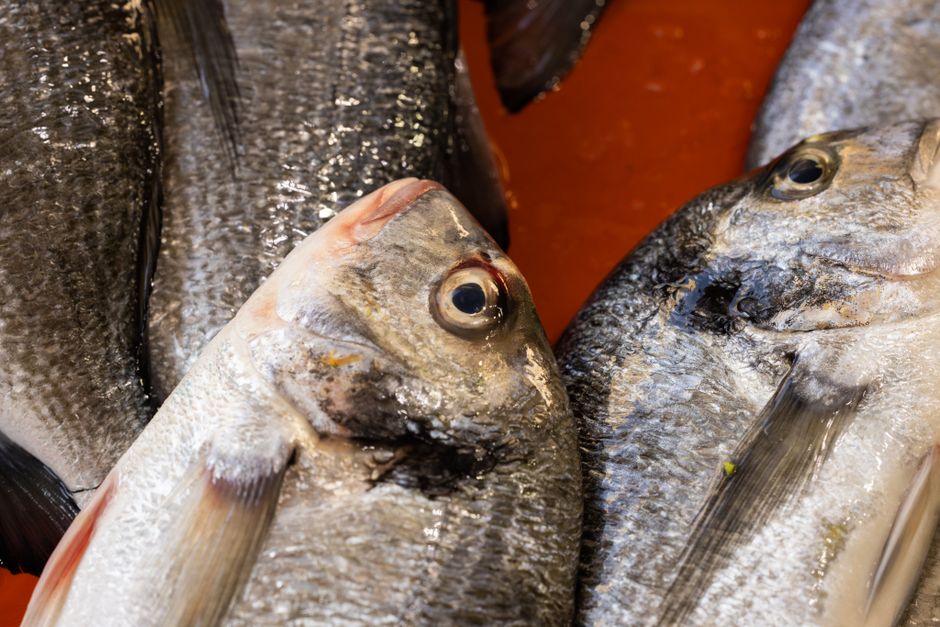
This step-by-step take on sardines and anchovies keeps things straightforward. Seafood cooks quickly, so a little preparation goes a long way. Let's look at what makes sardines and anchovies work, and what you can skip.
Before you start
In practice, fresh sardines are rich and meaty, with a pronounced flavor that is milder than many expect. Grilling or broiling them whole is a classic preparation, especially in Mediterranean cooking. Brush them with olive oil, season with salt, and cook over high heat for a few minutes per side until the skin blisters. Lemon and fresh herbs are all they need.
Step by step
In practice, cleaning fresh sardines is easy. Rub away the scales under running water, cut off the heads, and pull out the innards. The backbone can be removed by opening the fish flat and lifting it out, which makes them easier to eat, although modest bones are soft and edible when cooked.
What to check
Worth keeping in mind: canned sardines are a pantry staple. They come packed in oil, water, or sauces such as tomato or mustard. They can be eaten on crackers or toast, tossed into pasta, or added to salads. Quality varies, and many cooks prefer sardines packed in olive oil for their texture and flavor.
Cooking it
Anchovies are most commonly sold salted or packed in oil. Their intense, savory flavor makes them a powerful seasoning. Melted into olive oil, they dissolve and provide depth to sauces, dressings, and braises without tasting fishy. They are essential to Caesar dressing, puttanesca sauce, and many Mediterranean dishes.
Serving
In practice, fresh anchovies, when available, can be fried, marinated in vinegar, or grilled. White anchovies cured in vinegar and oil have a milder flavor and firm texture, perfect for appetizers. Once opened, oil-packed anchovies should be kept covered with oil and refrigerated, where they last for several weeks.
None of this needs to be exact; thickness and stove heat vary, so trust the visual cues.
Leftovers
Worth keeping in mind: sardines and anchovies are small, silvery fish with bold flavor. Although they are often associated with cans and jars, both are also available fresh in some markets, and each offers rewarding possibilities for adventurous cooks.
If you remember one thing, let it be that dry fish sears and wet fish steams.
Practical tips
Some practical points to keep in mind:
- Let the pan get properly hot before adding the fish.
- Pat fish dry before it goes in the pan.
- Keep a lemon and fresh herbs on hand to finish dishes.
- Cook seafood within a day or two of buying it.
The bottom line
None of this needs to be perfect. Keep it simple, watch the cues, and do not rush the prep. That is really all it takes.
Frequently asked questions
Can I use frozen seafood?
Yes. Thaw it slowly in the fridge overnight, pat it dry, and it will cook almost exactly like fresh.
How do I know it is done?
Look for flesh that has just turned opaque and flakes with gentle pressure. With sardines and anchovies, a moment early beats a moment late.
What if I can't find the exact fish?
Swap in something with a similar texture: firm white fish for firm white fish, oily for oily.
How long does fresh fish keep?
Plan to cook it within a day or two of buying, stored in the coldest part of the fridge.