 Tide
Cooking Blue Crabs: A Simple Guide
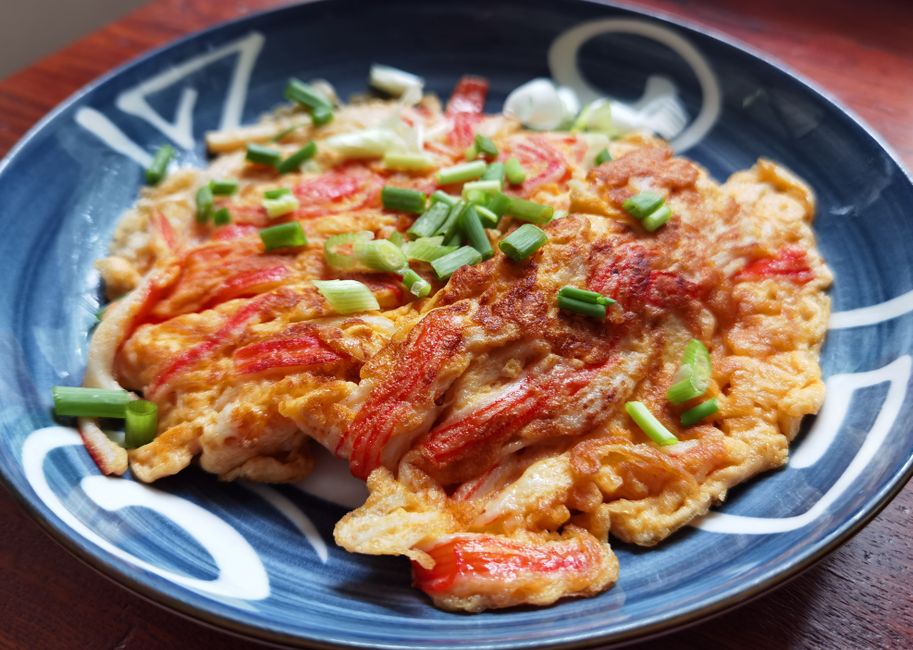
Cooking blue crabs is easier than many home cooks expect once you know what to look for. Most of the work happens before the pan gets hot. Below, we walk through cooking blue crabs step by step.
Why it matters
In practice, tools such as minor mallets, picks, and knives assist, along with plenty of paper towels and a bucket for shells. Serve with melted butter or vinegar for dipping. Leftover picked meat makes excellent crab cakes, dips, and salads.
Fresh, well-stored seafood does most of the work for you.
The basics
In practice, blue crabs are a summer tradition along the Atlantic and Gulf coasts, typically steamed or boiled and served whole on tables covered with newspaper. Cooking them at home requires a large pot, some patience, and a willingness to get messy.
Choosing well
Buy blue crabs live and cook them the same day. Lively crabs that move and react are the freshest. Keep them in a cooler or a box in the refrigerator, covered with a damp towel, never in fresh water or on ice where they can drown or freeze. Discard any that have died before cooking.
Step by step
More often than not, steaming is the most common method in the Chesapeake region. Place a rack in a large pot above a mixture of water and vinegar, sometimes with beer. Layer the crabs in the pot, sprinkling each layer generously with seafood seasoning, such as a blend of celery salt, paprika, and mustard. Cover and steam for about twenty to thirty minutes, until the shells turn bright orange-red.
The goal is a method you can repeat with confidence, not a perfect one-off.
Cues to watch for
In practice, boiling is popular in the Gulf states, usually as part of a larger seafood boil with corn, potatoes, and sausage. The crabs simmer in heavily seasoned water and absorb the spices directly into the meat. Allowing them to soak in the seasoned liquid after cooking deepens the flavor.
Fresh, well-stored seafood does most of the work for you.
Where it can go wrong
The key point is that picking crabs is a skill learned through practice. Pull off the apron, the small flap on the underside, then lift off the top shell. Remove the feathery gills and rinse out the center. Break the body in half and pick the meat from each chamber, then crack the claws with a mallet or knife handle.
If you remember one thing, let it be that dry fish sears and wet fish steams.
Practical tips
A few simple things tend to help:
- Keep a lemon and fresh herbs on hand to finish dishes.
- Keep seafood in the coldest part of the fridge, ideally on ice.
- Swap fish of similar texture when your first choice is not available.
- Pull fish off the heat just as it turns opaque.
The bottom line
The best seafood dish is the one you feel confident making again. Keep it simple, watch the cues, and do not rush the prep. That is really all it takes.
Frequently asked questions
How do I know it is done?
Look for flesh that has just turned opaque and flakes with gentle pressure. With cooking blue crabs, a moment early beats a moment late.
What should I serve with it?
Simple sides work best: a bright salad, roasted potatoes, rice or crusty bread, plus a squeeze of lemon.
Can I use frozen seafood?
Yes. Thaw it slowly in the fridge overnight, pat it dry, and it will cook almost exactly like fresh.
How long does fresh fish keep?
Plan to cook it within a day or two of buying, stored in the coldest part of the fridge.