 Tide
Oyster Etiquette: A Beginner's Guide
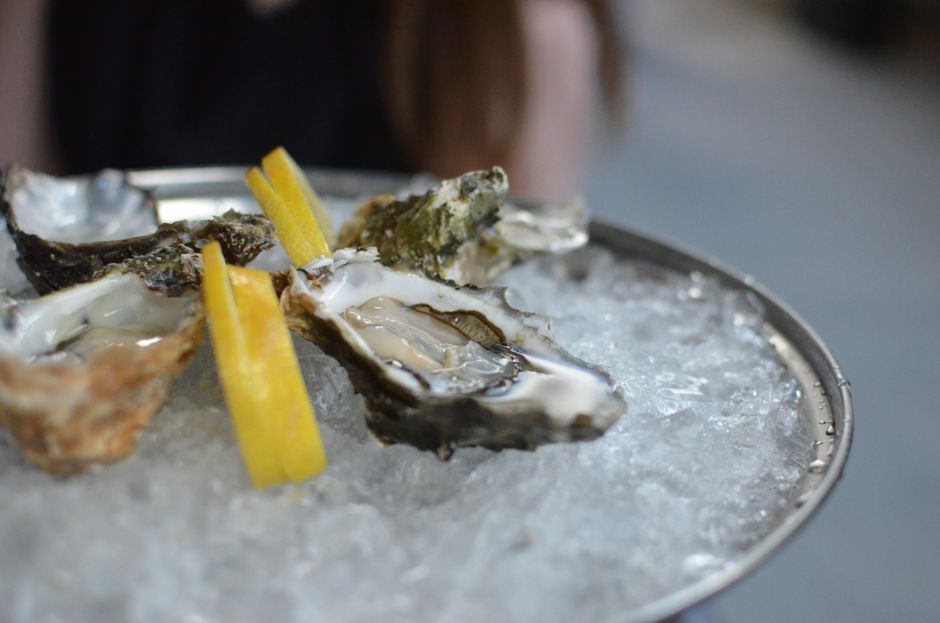
Oyster etiquette is a good place for a first seafood dish at home. Most of the work happens before the pan gets hot. Below, we walk through oyster etiquette step by step.
Start here
Put simply, oysters are served on the half shell, already loosened from the bottom shell by the shucker. Before eating, it is customary to run the small oyster fork beneath the meat to make sure it is fully detached. Turning the oyster over in its shell to show the smoother side is a minor courtesy some diners appreciate.
Keeping seafood cold right up to cooking time protects both flavor and safety.
What you need
More often than not, condiments should be used sparingly. A few drops of lemon or a modest spoonful of mignonette complements the oyster, while a heavy dose of cocktail sauce or horseradish masks the flavor that makes each variety distinct. Many people taste the first oyster plain to appreciate its character.
The practical takeaway is to pull seafood from the heat a moment early, since it keeps cooking on the plate.
Your first attempt
To eat, lift the shell to your lips by the wide end and tip the oyster and its liquor into your mouth. Chewing once or twice releases the flavor, which can range from briny and mineral to sweet and buttery. Swallowing it whole skips most of that experience.
What to expect
More often than not, empty shells are placed back on the ice upside down, which keeps the platter tidy and shows at a glance which ones are finished. Crackers and bread on the side are for clearing the palate between varieties.
Easy upgrades
Ordering is flexible. A half dozen per person is a common starting point for an appetizer, and mixing varieties invites comparison. Asking the staff to list oysters from mildest to most briny can help plan the order of tasting. Dry sparkling wine, crisp white wine, and dry stouts are traditional companions, and none of them overwhelm the delicate flavor.
Small details like salting a few minutes ahead make a visible difference.
Next steps
Eating oysters in a restaurant follows a few relaxed customs that make the experience smoother. None of them are strict rules, but knowing them aids first-timers feel at ease when a platter arrives on a bed of ice.
Keeping seafood cold right up to cooking time protects both flavor and safety.
Practical tips
Here are a few easy places to start:
- Pat fish dry before it goes in the pan.
- Keep a lemon and fresh herbs on hand to finish dishes.
- Thaw frozen seafood slowly in the fridge overnight.
- Keep seafood in the coldest part of the fridge, ideally on ice.
The bottom line
Keep it simple, watch the cues, and do not rush the prep. The best seafood dish is the one you feel confident making again. Start simple and build from there.
Frequently asked questions
What if I can't find the exact fish?
Swap in something with a similar texture: firm white fish for firm white fish, oily for oily.
What should I serve with it?
Simple sides work best: a bright salad, roasted potatoes, rice or crusty bread, plus a squeeze of lemon.
How long does fresh fish keep?
Plan to cook it within a day or two of buying, stored in the coldest part of the fridge.
Can I use frozen seafood?
Yes. Thaw it slowly in the fridge overnight, pat it dry, and it will cook almost exactly like fresh.